Urinarytractinfections(UTIs) are not common incats. Only 1-3% ofcatswithsignsofurinarytractdisease will have aurinarytractinfection.
Mostcatswith acuteurinarytractinfectionswill display the same set ofsymptoms, but somecatswho suffer from chronicUTIsmay not display any outwardsignsof the disease. Howcaturinarytractinfectionsare diagnosed.
UrinaryTractInfection(UTI).CatsgetUTIswhen there is a bacterialinfectionin their bladder or urethra. Your vet will need aurinesample to diagnose this condition. Uroliths (UrinaryStones).

Moving forward, it's essential to keep these visual contexts in mind when discussing Female Cat Feline Urinary Tract Infection Symptoms Signs.
CATUTISymptoms&Signs.Urinarytractinfectionsincatsare caused by bacteria that travel up thecat’s urethra. Sometimes the bacteria can travel through the urethra into thecat's bladder causing aninfectioncalled bacterial cystitis.
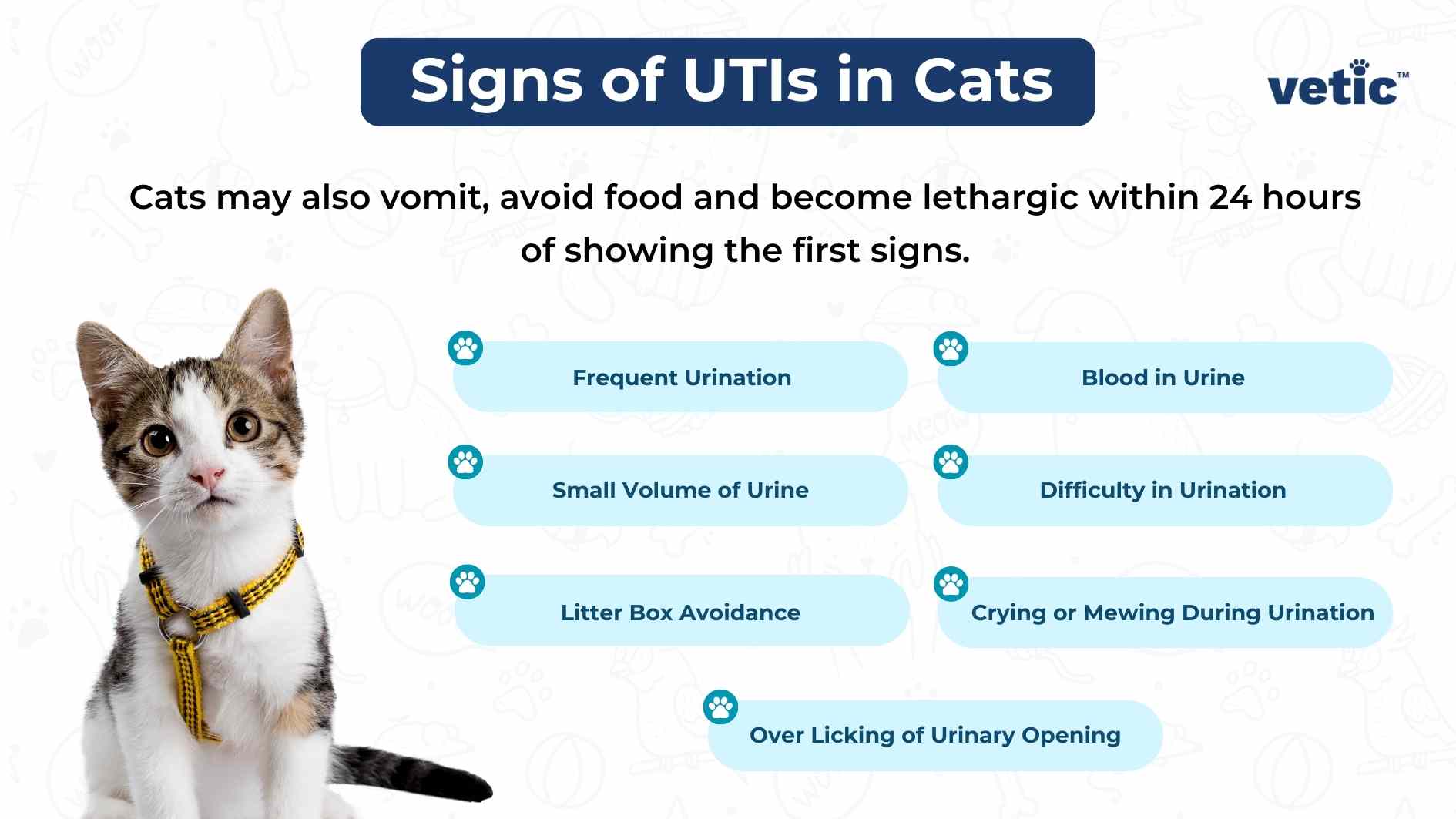
UrinaryTractInfections(UTIs) incatsare a fairly common condition, but can become serious if left untreated. They can sometimes be asymptomatic, but commonsymptomsinclude frequent, difficult or painful urination, or urinating in places outside the litterbox.

This said,urinarytractinfectionis a common cause of FLUTD incats(especiallyfemales) older than 10 years of age.Catsin this age group are at risk of other health issues, like kidney disease and diabetes, which can cause changes to theurinethat supportinfection.
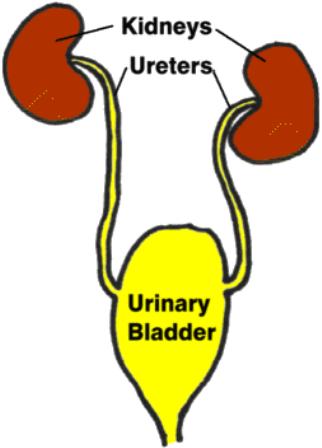
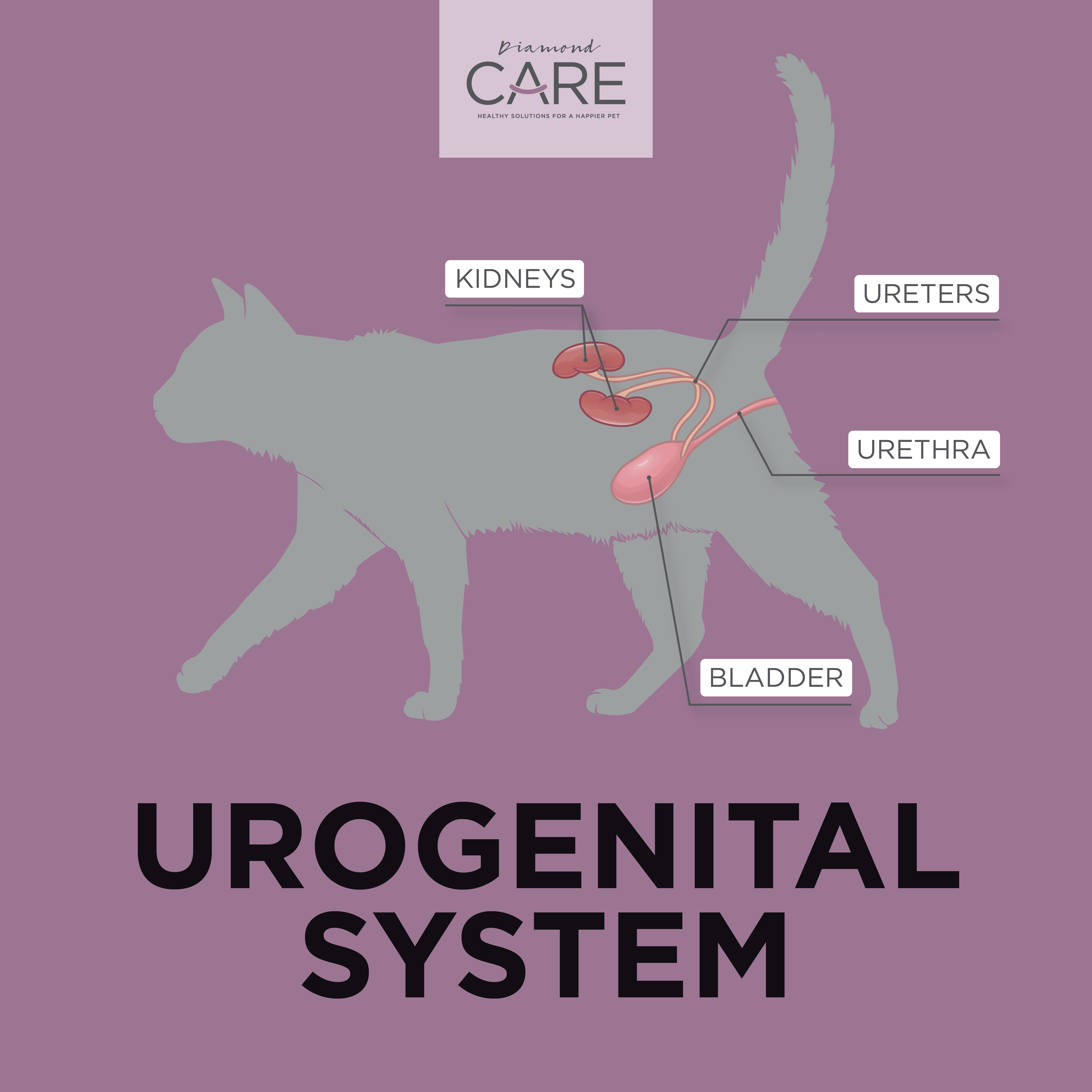
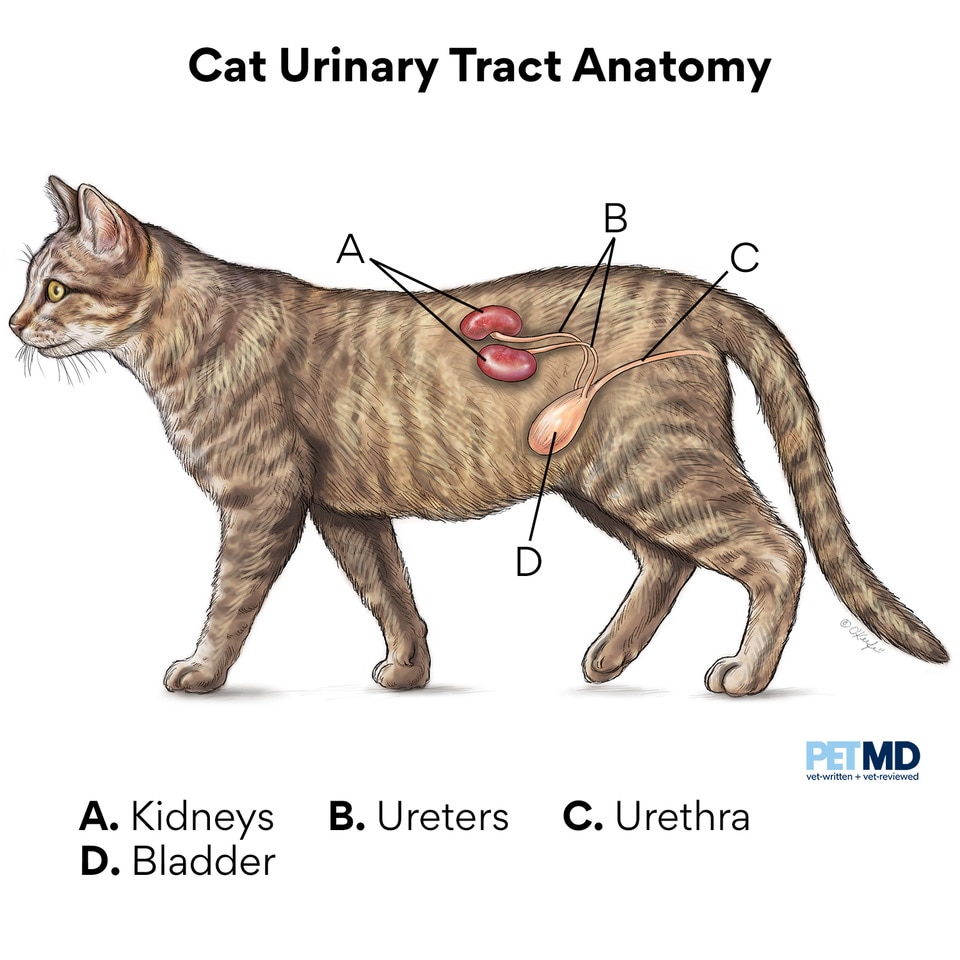
felineurinaryinfectionmilwaukee, wi. UnderstandingFelineUrinaryTractInfections.Afelineurinarytractinfection, commonly referred to as aUTI, is a medical condition that affects thefelineurinarysystem. This system comprises the kidneys, ureters, bladder, and urethra.
AUTIis aurinarytractinfection. These are actually not as common as you might think incats. It’s more often seen in seniorcatswho are 10-years-old and up. FLUTD stand forFelineLowerUrinaryTractDisease.
Urinarytractinfection(UTI) is an important cause offelinelowerurinarytractdisease (FLUTD), particularly infemalecatsolder than 10 years of age.