Abstract Practical relevance: Chronickidneydisease(CKD) is one of the most commonly diagnoseddiseasesin older cats. In most cats, CKD is also a progressivediseaseandcan be accompanied by a wide range of clinical and clinicopathological changes. These ISFM Consensus Guidelines have been developed by an independent panel of clinicians and academics to provide practical advice on the ...
Understandingurinarytractdiseasesandhow to help cats at home: a guide for caregivers Lowerurinarytractdiseasesare common in cats. In addition to veterinarytreatment, changes in the cat's home environment to reduce stress can assist recovery when combined with diet changes and measures to increase water intake.

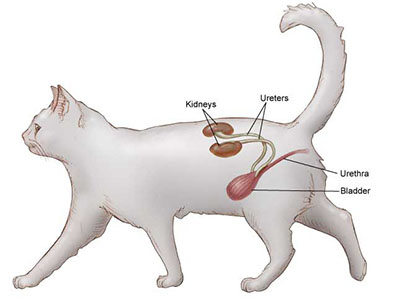
As we can see from the illustration, Feline Kidney Disease And Urinary Incontinence Treatment And Prevention has many fascinating aspects to explore.
The time from completeurinaryobstruction until death may be less than twenty-four to forty-eight hours, so immediatetreatmentis essential. A cat experiencing a urethral obstruction usually behaves similarly to cats with LUTS of other causes, and may strain to urinate, make frequent attempts to urinate, and produce little, if any, urine.

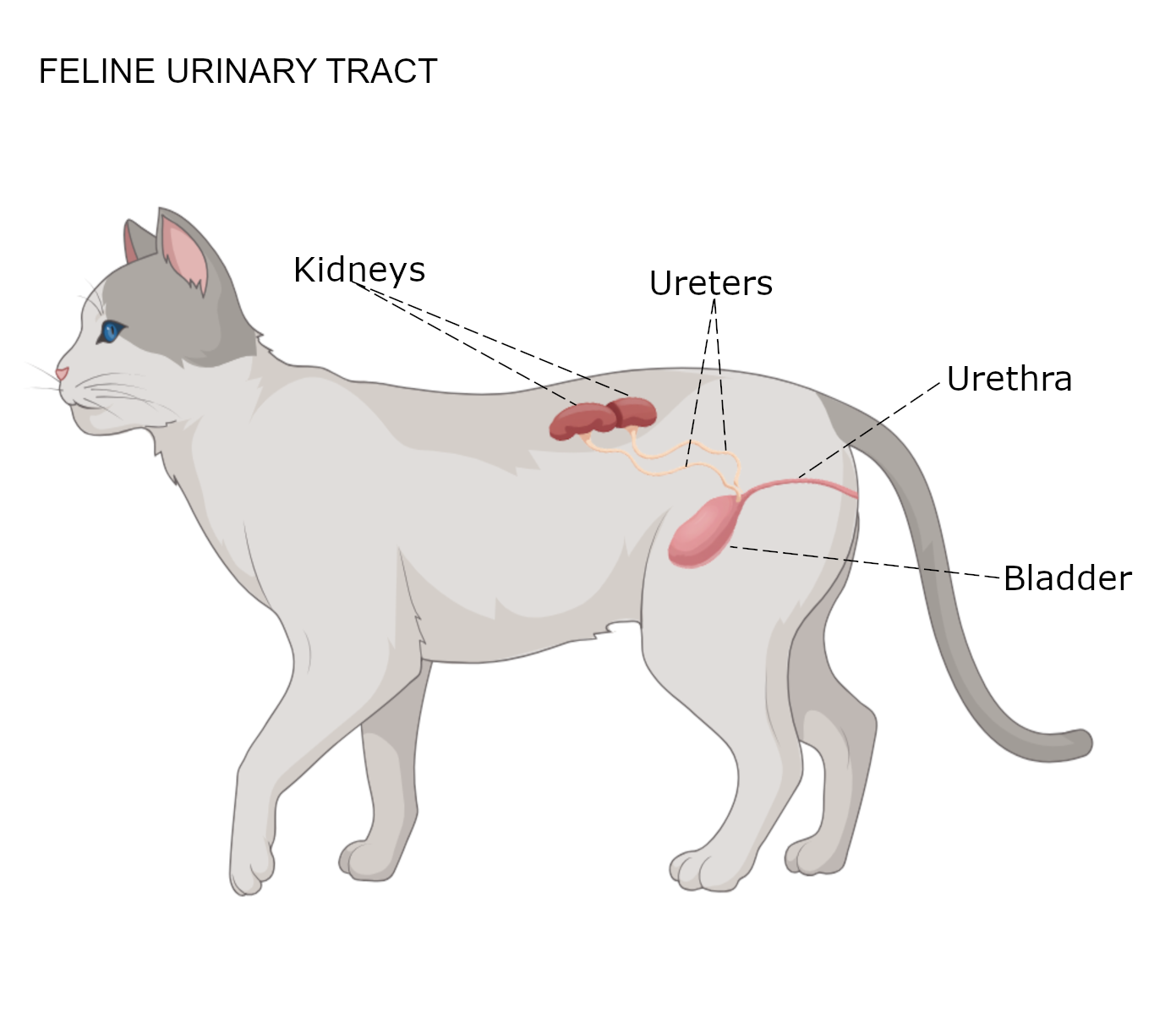
Furthermore, visual representations like the one above help us fully grasp the concept of Feline Kidney Disease And Urinary Incontinence Treatment And Prevention.
Key TakeawaysFelineurinaryincontinenceis the involuntary leakage of urine and can have many causes. Signs include wet spots where your cat sleeps, damp fur around the hindquarters, and urine dribbling without your cat seeming to notice.Treatmentdepends on the underlying cause and may include medications, surgery, or management techniques to keep your cat comfortable and your home clean ...

Dr. Erica Thacker explainsurinaryincontinencein cats, including symptoms, causes, diagnosis, andtreatmentoptions.
Bladder Infection This is a common cause ofurinaryincontinencein female dogs of all ages and in geriatric cats. This condition is usually easily diagnosed by urine culture, though often signs of infection, such as white blood cells or bacteria, may be visible in the urinalysis.