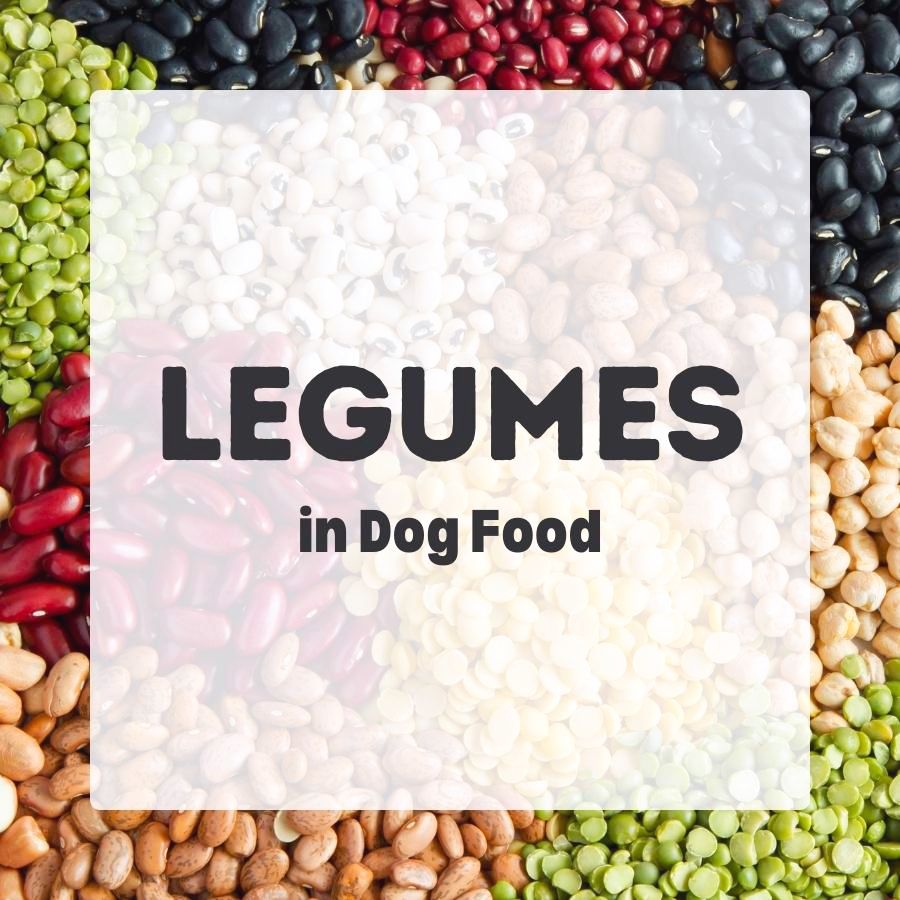
Legumesare an important part of the human diet and can also be offered todogs, but with some precautions.Legumes, such as beans, lentils, chickpeas, and peas, are rich inprotein, fiber, and vitamins and can be beneficial in adog'sdiet if fed correctly. However, it's essential to know whichlegumesare safe and how to prepare them to avoid digestive problems or other health risks for ...
The popularity of plant-basedproteinsources has increased as consumer demand for grain-free and novelproteinsources increase. Minimal research has been conducted as regards to use oflegumesandyeast and their effects on acceptability and ...

Recent studies debunk myths linkinglegumesindogfood to DCM (dilated cardiomyopathy). Research showslegume-rich and grain-free diets are safe for canine heart health.Legumesoffer nutritionalbenefitslike plant-basedproteinandfiber. Petaluma's balanced approach demonstrates responsible use oflegumesindogfo

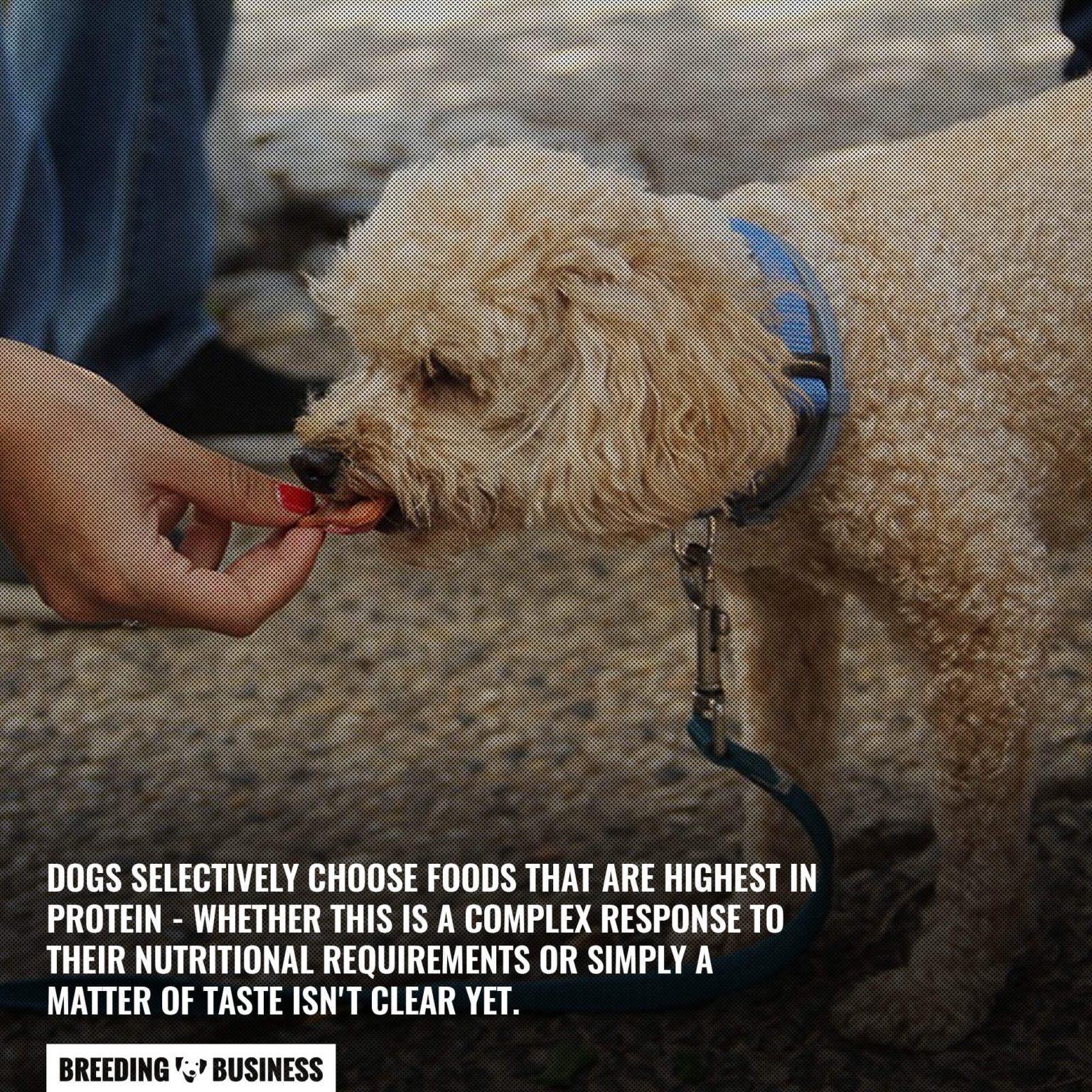
Furthermore, visual representations like the one above help us fully grasp the concept of Do Dogs Get Protein Benefits From Eating Various Types Of Grass And Legumes.
When it comes to feeding ourdogs, the debate over whether grains andlegumesshould be part of their diet has become increasingly prominent. Whilst these ingredients are common in commercialdogfoods, providing sources of carbohydrates along with someprotein, vitamins, and minerals, their necessity in adog'sdiet is questionable.Dogs, unlike humans, do not have a strict dietary ...

Legumescan providevarioushealthbenefitstodogs, such as a natural plant-based source ofprotein, vitamins, and antioxidants. However, it is important to maintain a balanced diet and ensure thatlegumesare not the only source ofprotein, as they do not contain all the essential amino acids required bydogs.