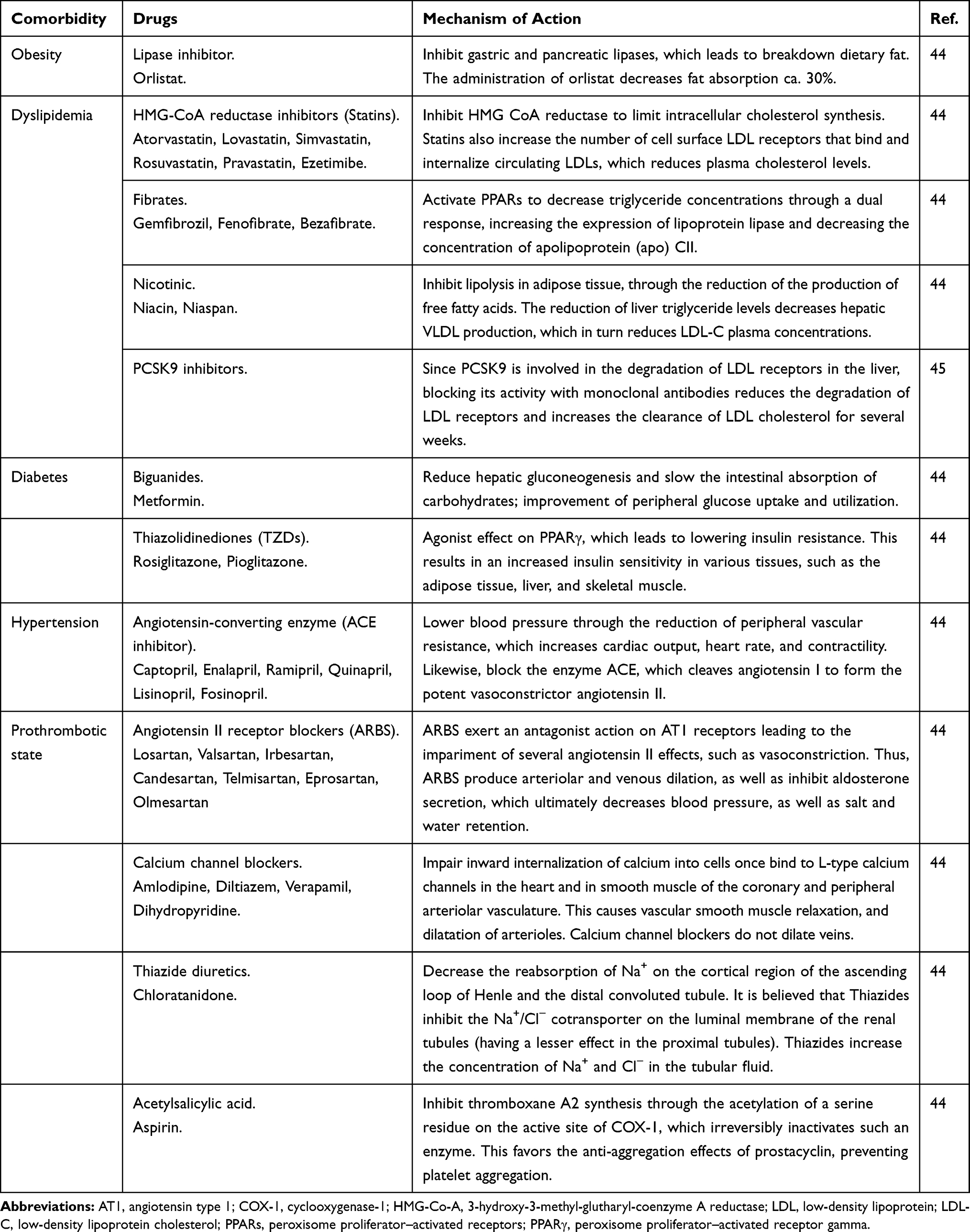
Metabolicsyndrome(MetS) — the clinical cluster of visceral obesity,insulinresistance, atherogenic dyslipidaemia, and hypertension — affects approximately 30-35% ofUKadults and represents the highest-risk phenotype for cardiovascular disease, type 2 diabetes, non-alcoholic fatty liver disease (NAFLD), and chronic kidney disease.
Explorepeptidesresearched for blood sugar regulation,insulinsensitivity, and type 2 diabetes management. Compare semaglutide, tirzepatide, liraglutide, and amylin analogues.
Thepeptidesshowing the strongestresearchevidence formetabolicsyndromedon't just suppress appetite or lower blood sugar temporarily—they restoreinsulinsensitivity at the receptor level, activate AMPK pathways that shift metabolism from storage to oxidation, and reduce visceral adiposity through mechanisms independent of caloric ...
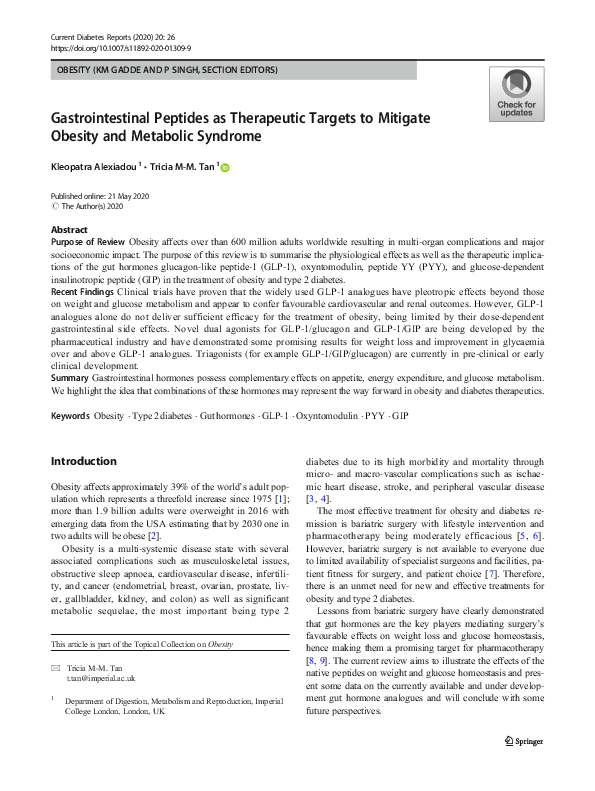
BestPeptidesforMetabolic2026Retatrutide (GLP-3 triple agonist), Semaglutide (GLP-1), and Tirzepatide (GLP-1/GIP dual agonist) — a comprehensiveresearchoverview of mechanisms, clinical data, and dosing protocols for the most powerfulmetabolicpeptidesavailable in2026.
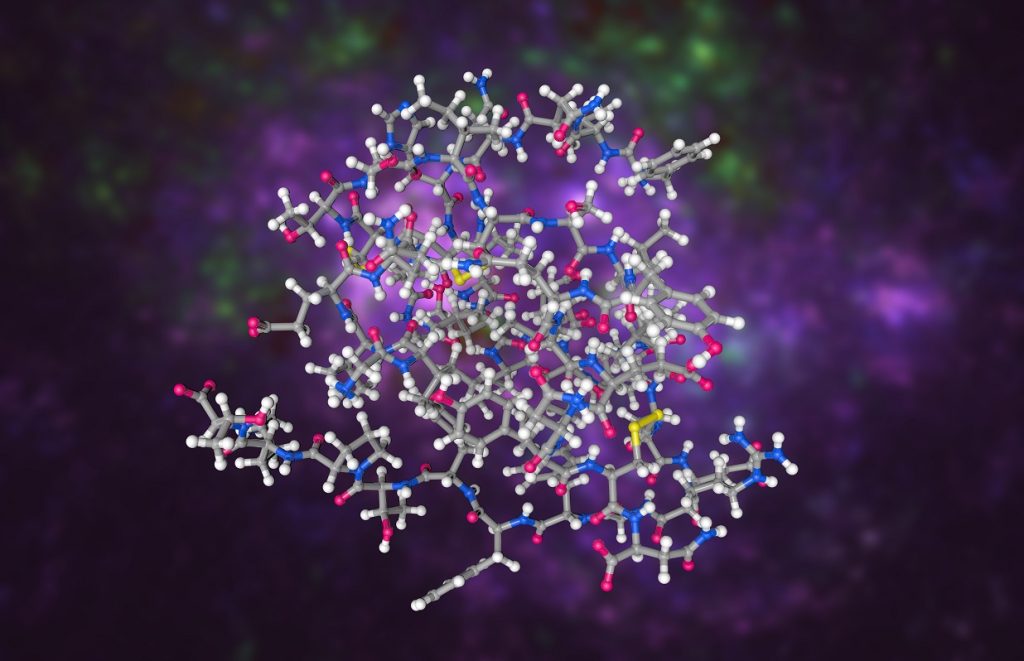
Peptideresearchis opening a different angle. Severalpeptides— from FDA-approved GLP-1 receptor agonists to experimental mitochondrialpeptides— target the underlying biology that connects all fivemetabolicsyndromecomponents. Some work throughinsulinsignaling. Others reduce the chronic inflammation that drives the wholesyndrome...

[1] This article maps thepeptidebiomarkers most studied inmetabolicsyndromeresearch, what each one tracks, and where the evidence stands. For deeper dives into specificpeptides, see our dedicated articles on adiponectin,insulinresistance at the molecular level, andpeptidehormones that control glucose.
Metabolicsyndrome— the cluster of abdominal obesity,insulinresistance, dyslipidemia, and hypertension — is a primary target for incretinpeptidetherapy.

Explorepeptidesfordiabetes and blood sugar control in theUK. GLP-1 agonists for type 2 diabetes, NICE guidelines, NHS prescribing pathways, and clinical evidence.