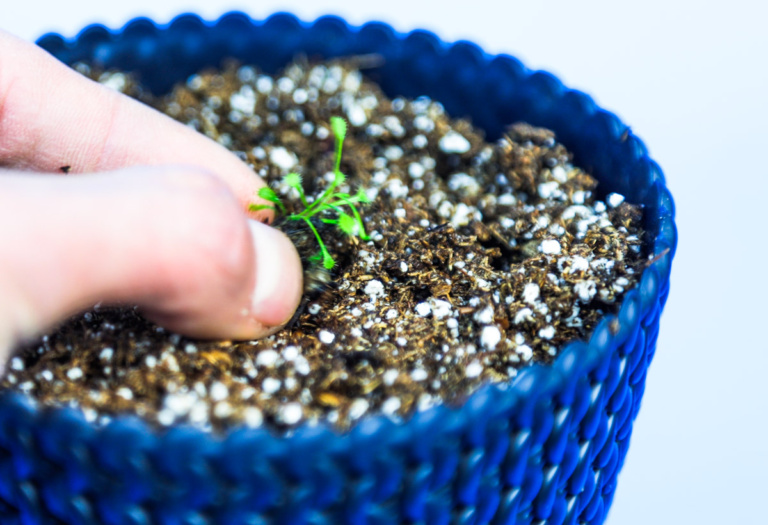
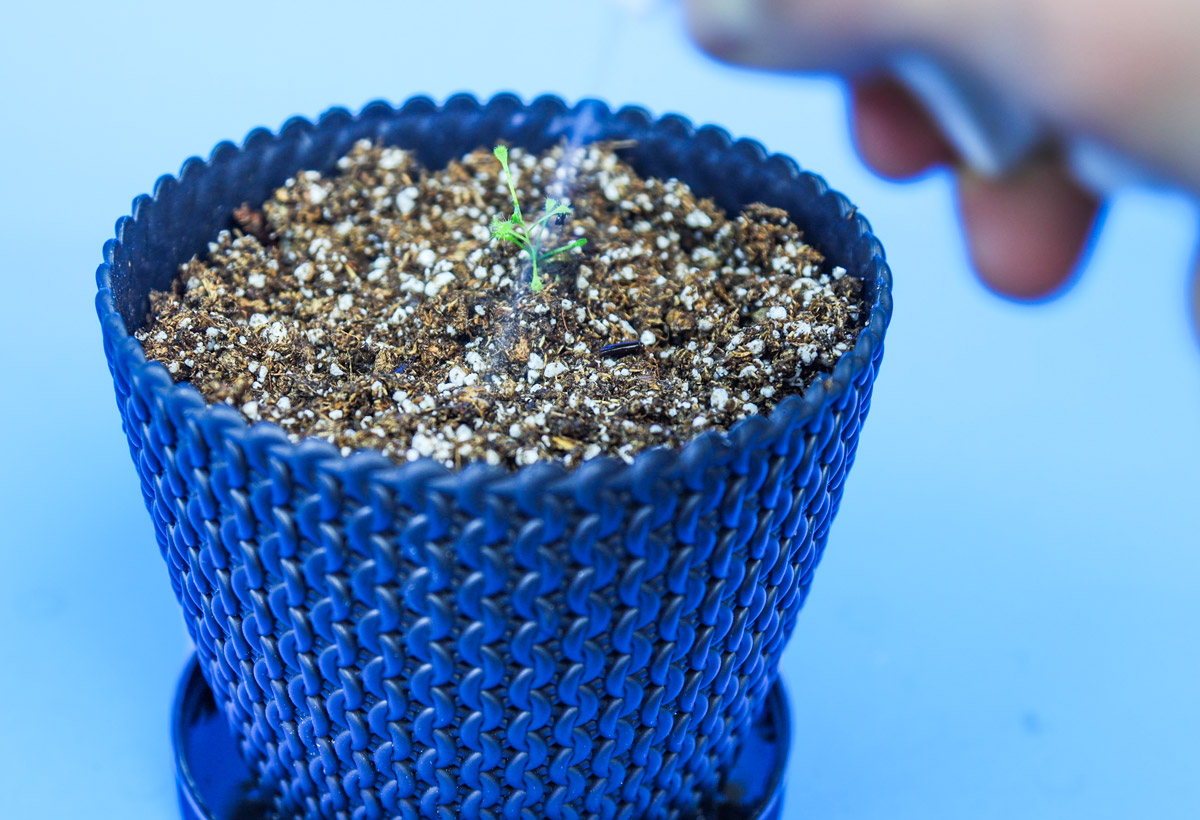
Fertilizing keepsplantsstrong and consistent. Growing Season During active growth (spring and summer), manycarnivorousplantsrespond extremely well to increased nutrients. How Often Should You Fertilize? Start with once a month During active growth, increase to twice a month New growers should experiment lightly and gradually.
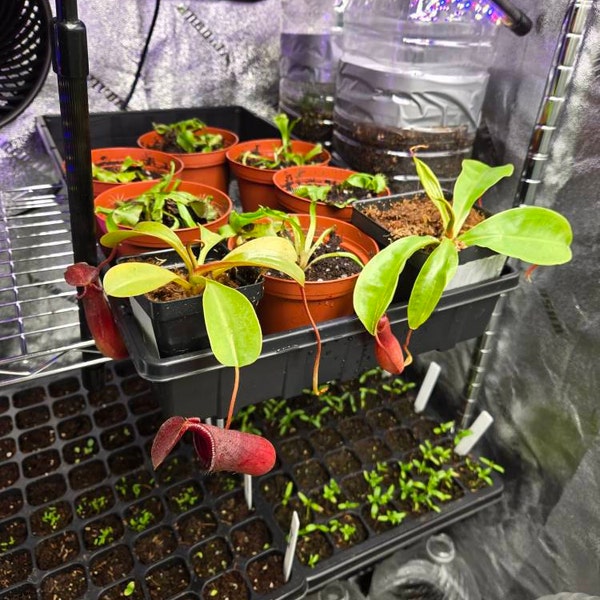
Why is aGreenhouseFertilizerKey for Good Crop Health? Imagine yourgreenhouseplantsas athletes in training. Just as athletes need the right kind of fuel to perform at theirbest, yourplantsneed the right nutrients to grow strong and healthy.

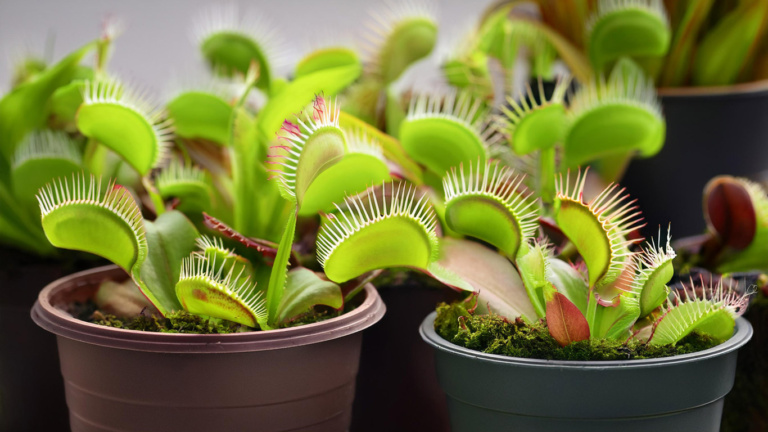
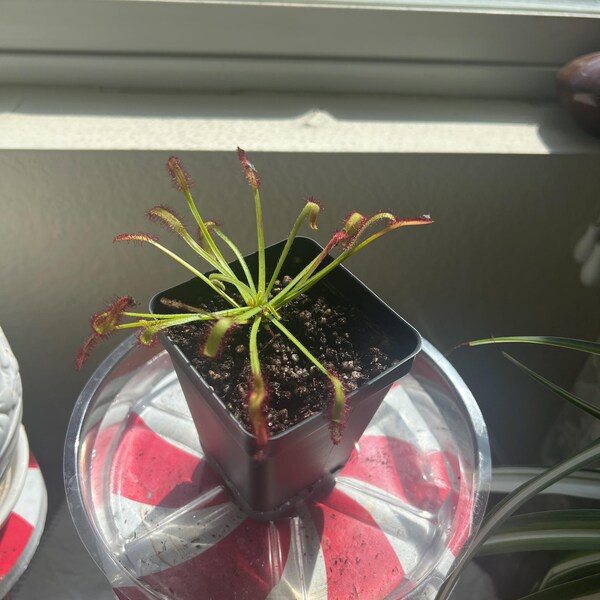
Feedingcarnivorousplantsis an important part of their care. Consuming the right food, meanscarnivorousplantsare happy and are more likely to grow quickly and propagate. Live or dead insects, fish flakes, and diluted Maxseafertilizerare some of thebestfood options for sundews, Venus fly trap, pitcherplantsand othercarnivorousplants.
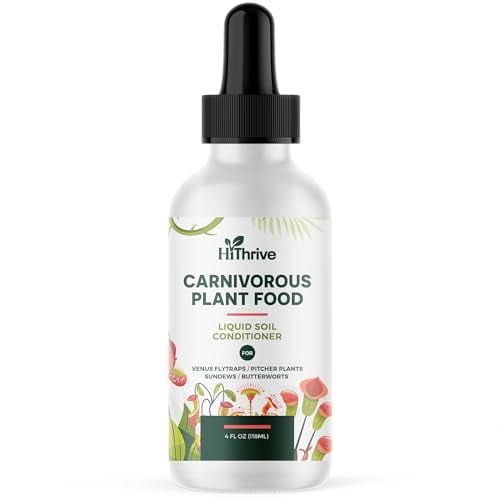
Carnivorousplantsrequire specific care when it comes to fertilization, as they are highly sensitive to standardfertilizers, which can damage or kill them. It's crucial to usefertilizersmade forcarnivorousplants, as theseplantsstill need feeding through various means—such as live prey, rehydrated meals from jars, or the rightfertilizer. Typically, two to three feedings a year ...
However, many growers "custom blend"fertilizersfrom several different sources to achieve thebestbalance forplantgrowth. Table 1 and Table 2 provide a quick guide to several of the most commonly usedfertilizermaterials as well as the amounts required to make up desired concentrations.